

The Zagwe dynasty, of Agaw origin, rose after the decline of Aksum and ruled from Roha in the Lasta mountains. Exact dates are debated; the dynasty is generally placed between the 10th or 12th century and 1270.
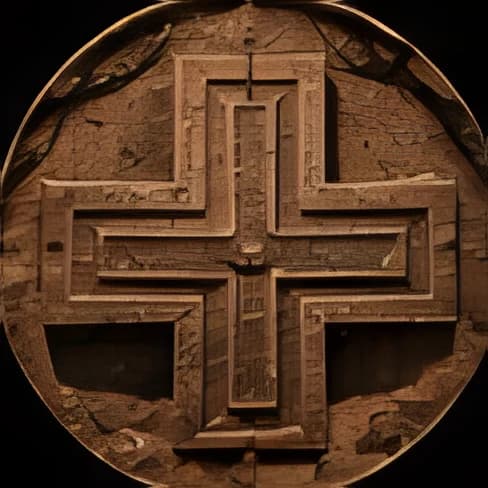
King Lalibela (reigned roughly 1181–1221) is credited with the rock-hewn churches. Workers cut trenches into the rock, then carved the church inside the remaining block — windows, columns and roofs included.
The site is laid out as a symbolic Jerusalem, with a stream named the Jordan. At Genna (Christmas) and Timket (Epiphany), tens of thousands of pilgrims gather there.