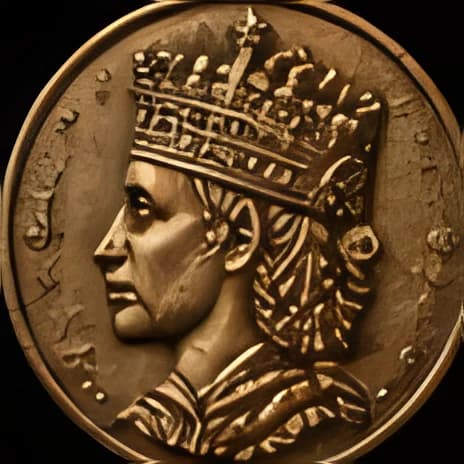
From its capital in the northern highlands, Aksum controlled trade between the Roman Mediterranean and the Indian Ocean through the Red Sea port of Adulis.
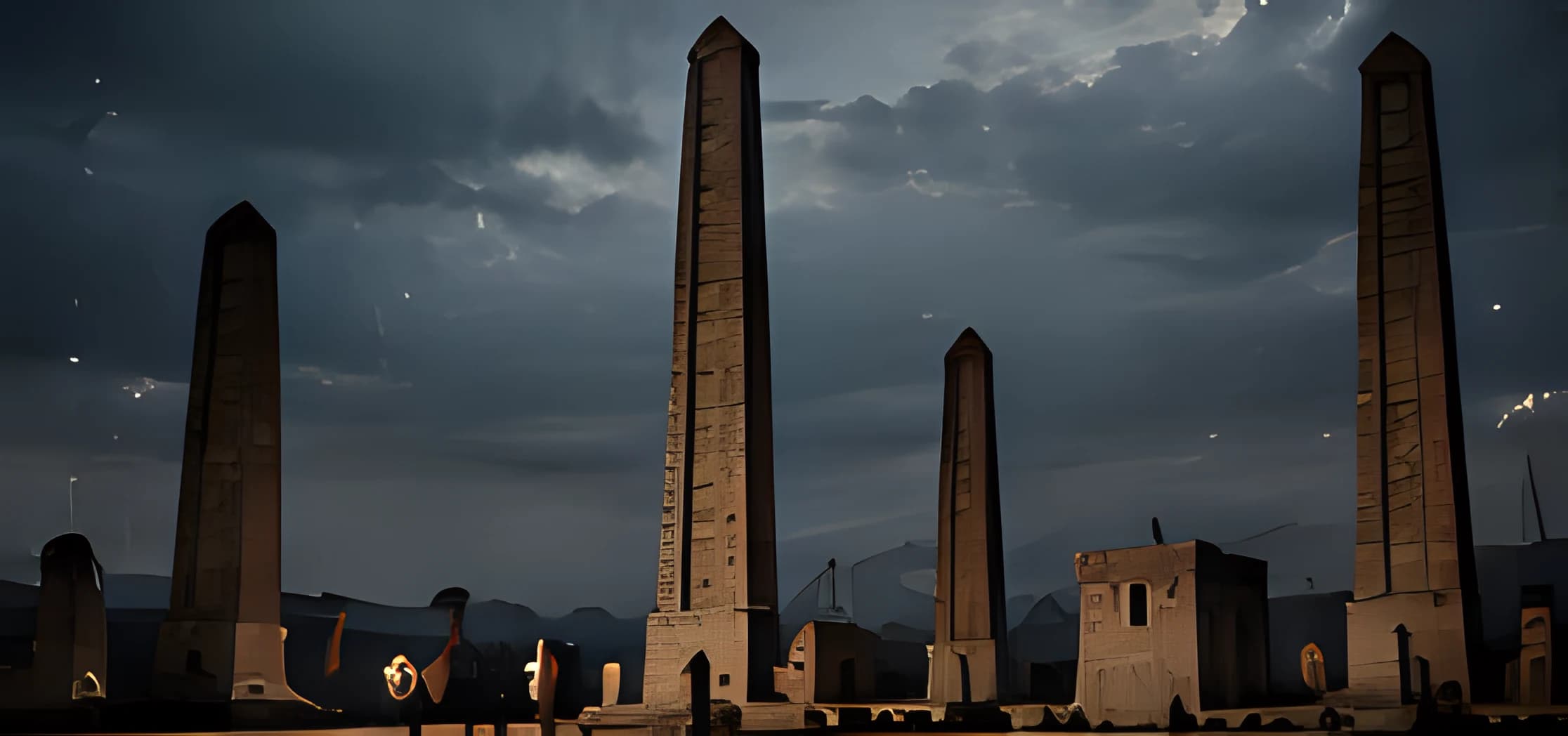
Its rulers carved huge single-stone stelae to mark their tombs. The Great Stele, around 33 metres long, is believed to have fallen during erection. The 24-metre Obelisk of Aksum was taken to Rome by Italy in 1937 and returned in 2005.
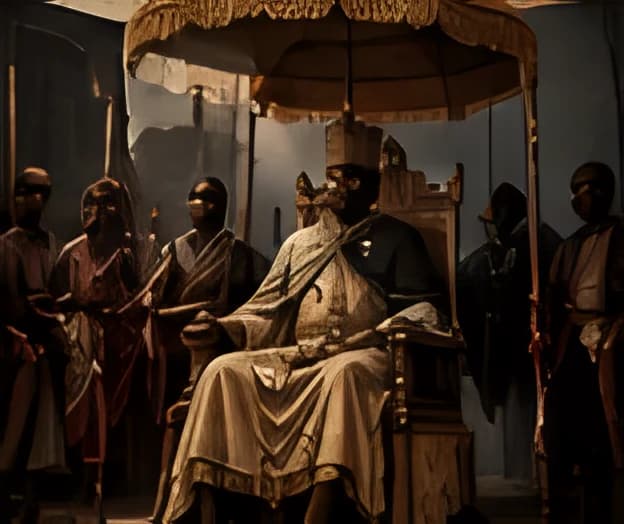
In the 6th century King Kaleb crossed the Red Sea to campaign in Himyar (Yemen). Around 615, an Aksumite king — remembered as the Najashi — gave shelter to early followers of the Prophet Muhammad fleeing Mecca, the First Hijra.
Shifting trade routes, environmental strain and the rise of new powers around the Red Sea led to Aksum's slow decline by the 10th century.